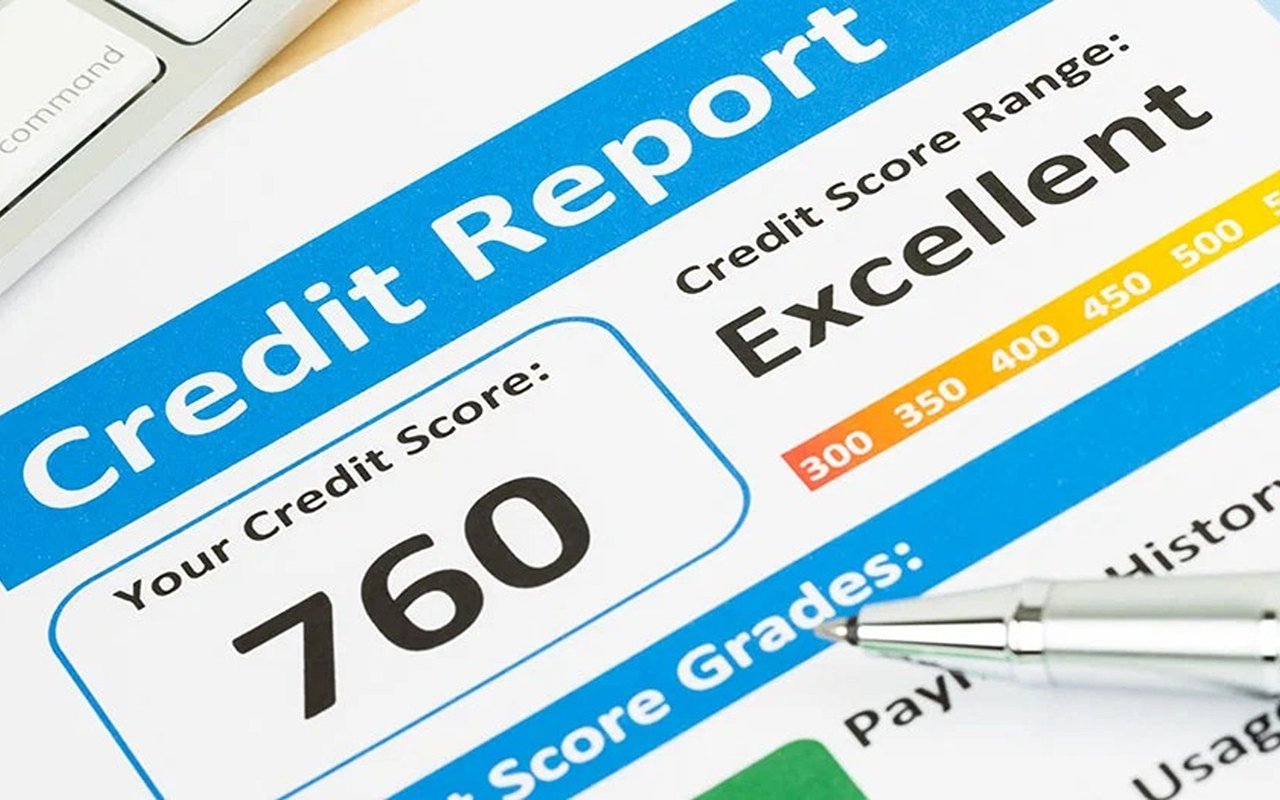
When you are preparing to buy a home, your credit score plays an important role in determining your mortgage options, interest rate, and overall loan approval. One of the most widely recognized credit scoring models used by lenders is the FICO® Score.
A FICO® Score, developed by Fair Isaac Corporation, is a numerical rating designed to help lenders evaluate your credit risk. Mortgage lenders use credit scores, along with your income, assets, employment history, and debt-to-income ratio, to determine your ability to repay a home loan.
A higher FICO® Score generally indicates that you are a lower credit risk, which may help you qualify for more favorable mortgage terms.
How Does a FICO® Score Work?
FICO® stands for Fair Isaac Corporation, the company that created one of the most widely used credit scoring systems in the United States.
Your credit profile is reviewed by the three major credit bureaus:
- Experian
- Equifax
- TransUnion
Each bureau maintains its own version of your credit report and may calculate a slightly different score. Because of this, most consumers have three separate credit scores.
Mortgage lenders typically review all three scores and often use the middle score when evaluating a mortgage application.
FICO® Scores generally range from 300 to 850. While many borrowers fall within the 600 to 700+ range, scores can vary significantly depending on an individual’s credit history.
What Credit Score Do I Need to Buy a Home?
There is no single minimum FICO® Score required for every home loan. Mortgage requirements vary depending on the loan program, lender guidelines, down payment, income, and overall financial profile.
Some common mortgage programs have different credit score requirements, including:
- Conventional loans
- FHA loans
- VA loans
- USDA loans
- First-time homebuyer programs
- Low down payment assistance programs
Borrowers with higher credit scores may have access to more loan options and potentially better interest rates. Some specialized loan programs may require stronger credit profiles.
The best way to understand your options is to review your credit early with a qualified mortgage professional before beginning your home search.
How Is a FICO® Score Calculated?
Your FICO® Score is based on several factors within your credit history. Understanding these categories can help you make smarter financial decisions before applying for a mortgage.
1. Payment History (Approximately 35%)
Your payment history is the largest factor affecting your credit score.
Lenders want to see that you consistently pay your bills on time. Late payments, collections, foreclosures, and bankruptcies can negatively impact your score.
Recent late payments typically have a greater impact than older negative items, especially if you have since established a strong payment history.
Important: Paying off a credit card with late payments does not erase the late payment history. The payment record remains part of your credit report unless corrected by the creditor or removed according to credit reporting guidelines.
2. Credit Utilization (Approximately 30%)
Credit utilization refers to how much of your available credit you are using.
For example, if you have a credit card with a $10,000 limit and a $2,000 balance, your utilization is 20%.
Generally, keeping balances low compared to your available credit can help support a stronger score.
Be careful when closing credit card accounts. Closing older accounts may reduce your available credit and shorten your credit history, which can negatively affect your score.
3. Length of Credit History (Approximately 15%)
The age of your credit accounts matters.
A longer credit history can help improve your score because it gives lenders more information about your borrowing habits.
Opening multiple new accounts or closing long-established accounts may lower your score by reducing the average age of your credit history.
4. Types of Credit Used (Approximately 10%)
FICO® Scores consider the variety of credit accounts you manage.
A healthy credit profile may include a combination of:
- Credit cards
- Installment loans
- Auto loans
- Mortgage loans
Having experience managing different types of credit responsibly can positively impact your score.
5. New Credit and Credit Inquiries (Approximately 10%)
Applying for multiple new credit accounts in a short period can affect your score because frequent applications may suggest increased financial risk.
However, mortgage and auto loan shopping are treated differently. Multiple credit inquiries for the same type of loan within a short period, typically around a 14 to 45-day window depending on the scoring model, are generally grouped together as a single inquiry.
How Can I Improve My FICO® Score Before Buying a Home?
Improving your credit score takes time, and changes must be reported directly by creditors or verified through the credit bureaus.
Steps that may help improve your credit profile include:
- Paying all bills on time
- Reducing credit card balances
- Avoiding unnecessary new credit applications
- Reviewing your credit reports for errors
- Keeping older credit accounts open when appropriate
- Working with a mortgage professional before making major financial changes
It is best to address potential credit issues before you begin the home buying process because the impact of any changes can vary depending on your entire credit profile.
Why Should You Check Your Credit Before House Hunting?
Many buyers start searching for homes before understanding how their credit may affect their financing options. Reviewing your credit early can help you:
- Understand your buying power
- Identify potential challenges before applying for a mortgage
- Improve your credit profile if needed
- Explore loan programs that fit your financial situation
- Avoid surprises during the mortgage approval process
Before you begin touring homes, connect with a trusted mortgage professional to review your financial picture and make sure you are prepared.
Related Articles
• How Much House Can I Afford? Understanding Your Home Buying Budget
• First-Time Home Buyer Tips: What You Need to Know Before Purchasing a Home
• The Importance of Getting Pre-Approved Before Buying a Home
• Common Mortgage Mistakes Buyers Should Avoid
Ready to Begin Your Home Buying Journey?
Buying a home is one of the biggest financial decisions you will make. Understanding your credit profile, financing options, and purchasing power before you start your search can help you make confident decisions.
At The Opulent Group, we help buyers navigate the real estate process with personalized guidance, local market expertise, and a commitment to delivering an exceptional experience.
📍 Serving Sarasota, Lakewood Ranch, Bradenton, Venice, Longboat Key, Nokomis, and surrounding Gulf Coast communities
📞 Call or Text: 407-760-0767
🌐 TheOpulentGrp.com
Normalina Martin
Broker | Real Estate Consultant
The Opulent Group
“Extraordinary Lives Deserve Extraordinary Representation®”
Written by Normalina Martin, Broker | The Opulent Group
Disclaimer: This article is intended for educational purposes only and should not be considered financial, mortgage, or legal advice. Mortgage guidelines, credit requirements, and loan programs vary. Consult with a qualified mortgage professional for advice specific to your financial situation.