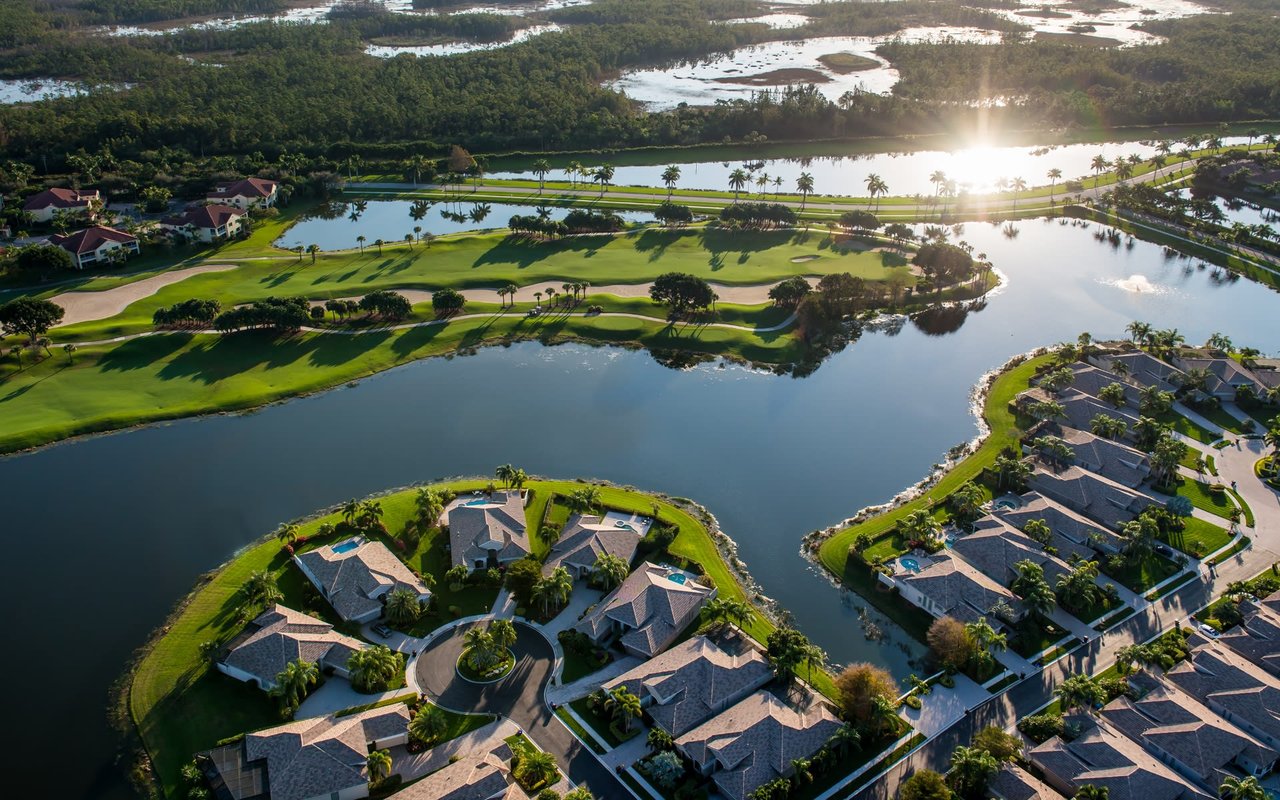
If you are moving from California to Orlando or anywhere in greater Central Florida, you have probably heard plenty of opinions already: no taxes, cheap houses, hurricanes every week, impossible insurance. Some of it is true, and some of it is out of date. A few of the biggest differences between buying a home in California and buying one in Central Florida rarely come up until you are already under contract.
This guide separates fact from fiction and walks through the differences California buyers most often miss, so you can plan your move and your budget with confidence.

Fact vs. fiction: what California buyers hear about Florida
Fiction: "Florida has no taxes."
Fact: Florida has no state personal income tax, which is a real change if you are used to California rates that climb to 12.3%, plus a separate Behavioral Health Services Tax on the highest incomes. Florida homeowners still pay property taxes, homeowners insurance that needs its own line in your budget, and sales tax. In 2026 the combined sales tax rate is 6.5% in Orange County, 7% in Seminole and Lake Counties, and 7.5% in Osceola County once each county's surtax is added to the 6% state rate. The savings are real; they just show up in different places.
Fiction: "My Prop 13 or Prop 19 tax break comes with me."
Fact: California's property tax protections stay in California. Prop 19 lets homeowners 55 and older (along with severely disabled homeowners and disaster victims) take their low Prop 13 tax base to a replacement home, but only if that home is also in California. A retiree selling in San Diego could keep that tax base by moving to Sacramento, but not by moving to Orlando. In Florida, a home is reassessed at market value after it sells, and your protection begins once you qualify for Florida's homestead exemption, explained below.
Fiction: "The seller's tax bill tells me what I'll pay."
Fact: This is one of the most common budgeting mistakes. A seller who has owned the home for 20 years with a homestead exemption may pay a fraction of what the next owner will. Base your estimate on your purchase price instead. The Orange and Seminole County property appraisers both offer tax estimators online, and I am happy to run the numbers with you.
Fiction: "You can't get homeowners insurance in Florida anymore."
Fact: The market has improved. Florida's Office of Insurance Regulation reported in May 2026 that 20 new property insurers had entered the state since its recent insurance reforms, and in July 2026 the same office reported that home insurance rates had decreased in 51 of Florida's 67 counties so far this year. Coverage is available, but your price depends heavily on roof age, construction type, elevation and wind-protection features. Get quotes during your inspection period so you have time to compare them before closing.
Fiction: "Orlando is inland, so hurricanes aren't a concern."
Fact: Living away from the coast removes the storm surge that beach towns plan around, yet hurricanes still reach Central Florida. After Hurricane Ian crossed the state in 2022, FEMA approved individual disaster assistance for residents of Orange, Osceola and Seminole Counties, help that can cover temporary housing and basic home repairs. Insurers price wind risk here too, which is why a home's roof and wind features still shape your premium.
Fiction: "Every home in Florida floods."
Fact: Flood risk is very local. It depends on elevation, flood zone and drainage, including how close a home sits to a lake or retention pond. Since October 1, 2025, Florida sellers must give buyers a separate flood disclosure at or before contract, covering any flood damage they know of during their ownership, flood insurance claims and any federal flood assistance they received. A standard homeowners policy does not cover flooding, so flood insurance is a separate decision even when your lender does not require it.
Fiction: "A condo is always the low-cost, low-maintenance choice."
Fact: It can be, but older buildings need a closer look. After the Surfside collapse, Florida began requiring milestone structural inspections for condo buildings three or more habitable stories tall, due by the end of the year a building turns 30 and every 10 years after that. Those buildings also need a Structural Integrity Reserve Study (SIRS) at least every 10 years, and for budgets adopted on or after December 31, 2024, owners can no longer vote to skip or reduce the reserves for those structural items. That has led to higher dues and special assessments in some buildings. Before you commit, ask for the milestone report, the SIRS, the reserve schedule and recent board minutes.
Major differences California buyers don't expect
The homestead exemption and the Save Our Homes cap
If you own a Florida home and live in it as your permanent residence, you can apply for the homestead exemption through the county property appraiser. For the 2026 tax year it is worth up to $51,411 off your assessed value: $25,000 applies to all taxes, including school taxes, and the remaining $26,411 applies to non-school taxes. You must own and live in the home on January 1 and apply by March 1 of that year.
Once your homestead is in place, the Save Our Homes cap limits increases in your assessed value to 3% a year or the rate of inflation, whichever is less. If you later move to another Florida home, portability can let you carry some of that savings with you.
Why your moving date may matter this year
On November 3, 2026, Florida voters will decide Amendment 3, a proposed change to homestead property taxes. It needs at least 60% approval to pass. If it is approved:
- The homestead exemption for non-school taxes would rise to up to $150,000 in 2027 and up to $250,000 in 2028, then adjust for inflation.
- People who are permanent Florida residents by December 31, 2026 would be eligible for the larger exemption, even if they buy their home later.
- People who become Florida residents on or after January 1, 2027 would start with a $50,000 exemption and become eligible for the larger amount on January 1 of the fifth year, after keeping a Florida homestead exemption for four years.
- School taxes would still apply, and the yearly cap on assessed value increases for non-homestead property would drop from 10% to 5%.
None of this is law unless voters approve it, and the Legislature would still need to pass laws to carry it out. If you are already planning a move, talk with a tax professional about how the timing of your residency could affect you. The Property Appraisers' Association of Florida has a plain-language FAQ, and Orange County has published its own page on what the amendment would mean locally. Both are linked in the resources below.
Hurricane-ready homes and insurance inspections
Basements are rare in Florida, and insurers pay close attention to roof age and condition. Older homes often need a four-point inspection (roof, electrical, plumbing and air conditioning) before a policy is written, and a wind mitigation inspection can earn discounts for features like impact windows, shutters and roof straps.
Hurricane season runs June 1 through November 30. When a named storm threatens the area, insurers temporarily stop writing new policies, which can delay a closing. Lock in your insurance early in the process.
Sinkholes are Florida's version of the earthquake question
California buyers know earthquake coverage is a separate decision. In Florida, the comparable question is sinkholes. Much of the state sits on limestone, and the Florida Geological Survey explains that slightly acidic groundwater slowly dissolves cavities in that rock over many years.
Every Florida property insurer must cover a "catastrophic ground cover collapse," but the legal definition is narrow: the ground has to collapse abruptly, the home has to suffer structural damage, and a government agency has to condemn it and order it vacated. Broader sinkhole coverage is offered for an additional premium, and the insurer may inspect the property before writing it. Florida sellers must also tell you if a sinkhole claim was paid on the home and whether the money went to repairs. If a home has sinkhole history, the Florida Geological Survey recommends having a licensed professional geologist or engineer evaluate the site, because home inspectors are not qualified to determine whether a sinkhole exists.
Title companies handle Florida closings
In California, an escrow company usually manages the closing. In Florida, a title company or real estate attorney handles it. The seller customarily pays the documentary stamp tax on the deed, $0.70 per $100 of the price. If you finance, you will pay state taxes on the mortgage at closing. Who pays for the owner's title insurance policy follows local custom, which can differ from one county to the next, and it can be negotiated in the contract.
Disclosures work differently
California sellers fill out a detailed, standardized disclosure statement. Florida has no statewide equivalent. Sellers must disclose known problems that materially affect the value of the home and are not readily observable, plus specific items such as flood history, radon and community association information. Many Florida contracts are written "as is" with an inspection period, so a thorough inspection is your best protection.
HOAs and CDDs: Florida's version of Mello-Roos
Many newer communities in Central Florida sit within a Community Development District (CDD). A CDD pays for roads, utilities and amenities and shows up as an assessment on your property tax bill, much like Mello-Roos in California. The homestead exemption does not reduce that kind of assessment, and HOA dues are usually separate. Ask for both numbers before comparing homes. For more on costs that surprise new Florida homeowners, read Downsizing in Florida: Five Hidden Costs to Calculate Before You Move.
Making Florida your official home
To establish residency, new residents typically file a Declaration of Domicile with their county's official records office (in Orange County, that is the Comptroller), get a Florida driver's license within 30 days, insure, title and register their vehicles within 10 days, and register to vote, then apply for homestead. California may review a change in residency for income tax purposes, so keep good records of your move and work with a CPA.
Where to start your Central Florida search
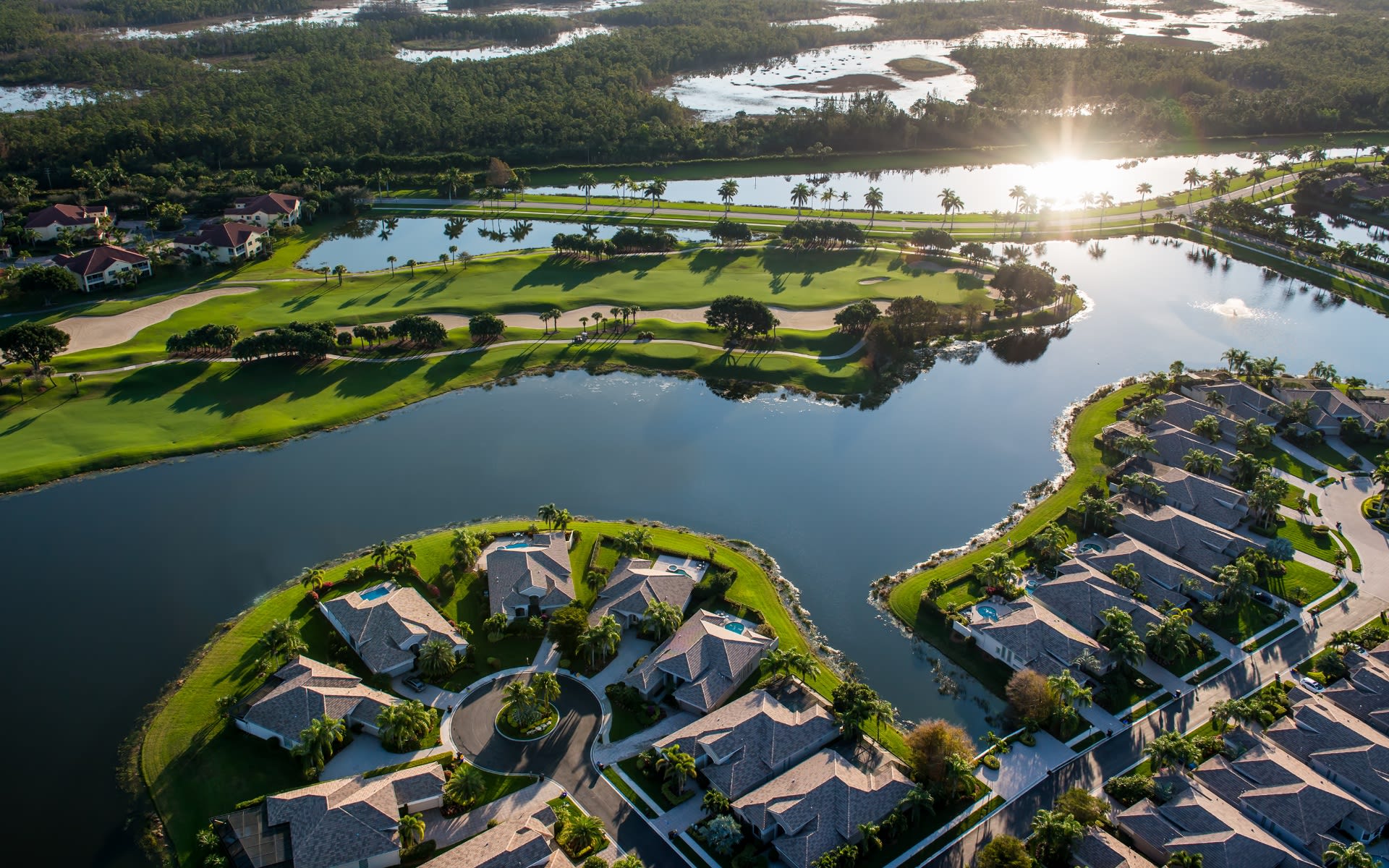
Central Florida covers a lot of ground, so it helps to narrow it early. Winter Park, just north of Orlando, is known for its brick streets and Park Avenue, which runs past Central Park and the Morse Museum of American Art. The Morse holds a large collection of Louis Comfort Tiffany's work, and I've toured it myself. Navigable canals connect five lakes in Winter Park and Maitland, and the Scenic Boat Tour leaves from Lake Osceola.
Lake Nona is a large planned community in southeast Orlando with its own exit on State Road 417 at Lake Nona Boulevard. It is home to the Orlando VA Medical Center and the USTA National Campus, the U.S. Tennis Association's 64-acre tennis center.
Horizon West, in southwest Orange County near Winter Garden, is planned around five villages and a town center. West of Winter Garden, across the Lake County line, is Clermont, the county's largest city, about 20 miles west of Orlando. Its hills are rare in Florida, and its chain of lakes offers boating, kayaking and fishing.
North of Orange County, Seminole County includes Lake Mary, Oviedo, Sanford and Winter Springs. You can browse Orlando homes for sale on The Opulent Group's site. I also help buyers in Sarasota, Bradenton and Lakewood Ranch if you are comparing regions, and my guide for California buyers moving to Sarasota-Bradenton covers that side of the state.
Let's plan your move
Moving across the country is a big decision, and you should not have to learn Florida's rules the hard way. I help buyers relocating from California compare neighborhoods, estimate true monthly costs (taxes, insurance, HOA and CDD fees), and line up the right inspections and insurance quotes before closing. Video tours are available if you are still in California.
Start your Orlando home search with The Opulent Group, or call or text 941-260-1875 for a free relocation consultation.
This article is for general information only and is not legal or tax advice.
Normalina Martin, Licensed Florida Real Estate Broker
The Opulent Group
Serving greater Central Florida and the Florida Gulf Coast, including Orange, Seminole, Sarasota, and Manatee Counties
Related Articles
- Moving From California to Sarasota-Bradenton: Facts vs. Fiction and What No One Tells You
- Downsizing in Florida: Five Hidden Costs to Calculate Before You Move
Helpful Resources
- Proposed 2026 Florida Property Tax Amendment FAQ (Property Appraisers' Association of Florida)
- Orange County Government: Property Tax Amendment 3, what it means for Orange County
- Florida Realtors: New Flood Disclosure Requirements in Florida
- Florida Geological Survey: Sinkhole FAQ
- FLHSMV: New Florida Residents